
Professional certification is one of the best things that ever happened to coin collecting — and one of the easiest ways to waste money. PCGS and NGC charge by the coin, not by the outcome, so the fee is the same whether your dollar comes back MS65 or in a "details" holder worth melt. As authorized dealers for both services, a big part of our job is telling collectors not to submit. Here are the five checks we run before any coin goes in the box.
1. Does the date and mint mark justify it?
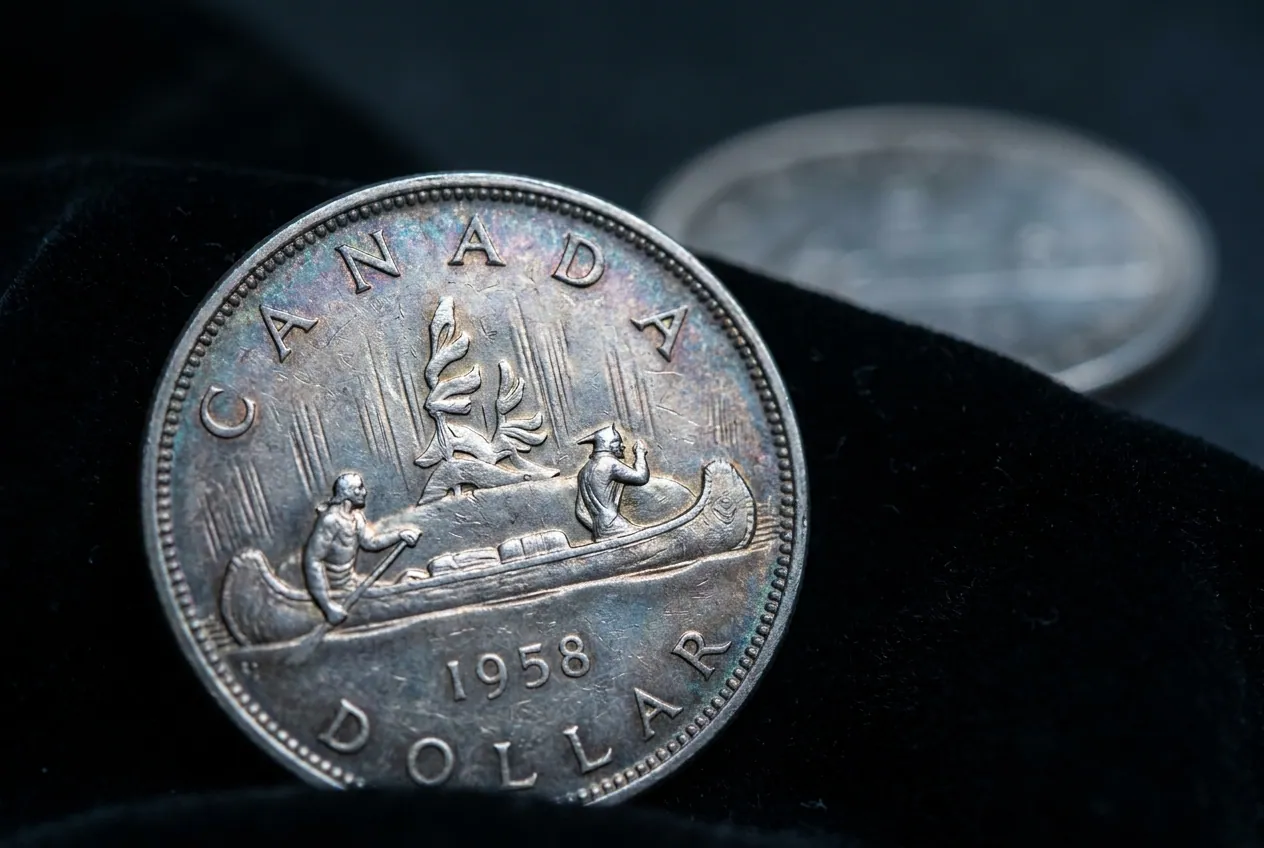
Rarity does the heavy lifting in coin value. A 1966 Canadian silver dollar in brilliant uncirculated condition is a lovely coin — and worth barely more than its silver. A 1948, the key date of the series, is worth grading in almost any condition. Before anything else, look up your coin's date, mint mark and variety. If a common date needs a very high grade just to beat melt, grading is not necessary — and paying the fee is spending money needlessly.
2. Be brutally honest about the surfaces
The single most expensive mistake in this hobby is submitting a cleaned coin. A harsh wipe, old polish, or a bath in silver dip leaves hairlines that graders catch instantly, and the coin comes back with a "details" designation that usually lowers its market appeal. Tilt the coin under a single light source: parallel fine scratches, an unnaturally bright white surface on an old coin, or a flat, satiny sheen where lustre should swirl are all warning signs. When in doubt, this is exactly what a pre-submission assessment is for.
3. Do the math before the market does
Add up the real cost: the grading fee for your coin's declared value, and shipping both ways. Then ask what the coin is worth at the grade it will probably get — not the grade you're hoping for. Our melt value calculator gives you the metal floor in seconds; price guides and auction records give you the ceiling. If the probable grade doesn't clear the total cost with room to spare, keep the coin raw and enjoy it.
4. Consider authenticity — both ways
Certification isn't only about the number on the label. For vintage gold, key dates and anything bought without provenance, authentication is the real product: counterfeits of Canadian key dates and U.S. gold are better than they've ever been. If a deal was too good, grading is cheap peace of mind. The reverse is also true — if you're selling a genuinely scarce coin raw, certification typically pays for itself several times over in buyer confidence.
5. Eye appeal breaks ties
Two coins with the same technical grade can sell for wildly different prices. Original rainbow toning, strong cameo contrast, undisturbed lustre — graders don't award numbers for beauty, but the market absolutely does. A coin with exceptional eye appeal is worth submitting at the margin; a dull, mottled example of the same date may not be, even a point higher.
The short version
- Key date or scarce variety → probably submit.
- Any sign of cleaning → get an expert opinion first.
- Probable-grade value must beat fees + shipping with room to spare.
- No provenance on gold or key dates → authentication alone can justify it.
- Exceptional eye appeal tips borderline calls toward yes.
Not sure where your coins land? That's precisely what our pre-submission assessment answers — an honest, informed opinion before you spend a dollar on fees. Book a 30-minute consultation and bring your shortlist.